
Meet AniMoods

Born in the therapy room and inspired by anime storytelling, AniMoods helps people understand emotions in a way that feels engaging, practical and relatable.
Whether you’re a therapist, parent, teacher or simply working on yourself, AniMoods makes emotional regulation easier to explore through beautifully illustrated cards and evidence-informed strategies.
Our Story
Every product has a story. Discover how one conversation in a therapy room grew into an eight-year journey to create a new way of understanding emotions. Hear Adam share the inspiration behind AniMoods and why these cards were made.
Start your emotional regulation journey today.
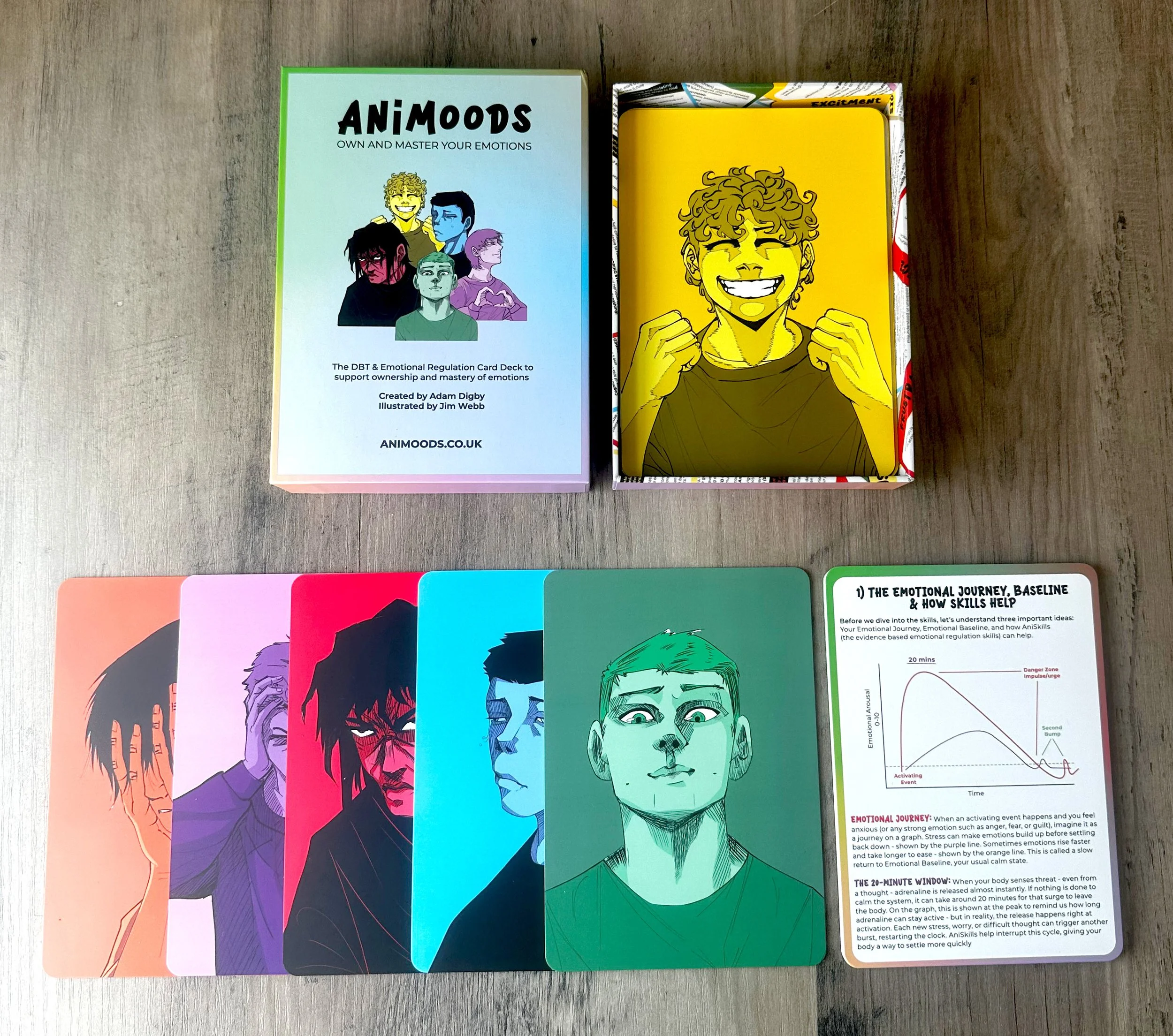
The AniMoods Card Deck is a practical, anime-inspired emotional regulation tool designed to help people understand, express, and regulate their emotions.
Includes 40 illustrated emotion cards, 10 AniSkills, DBT-informed guidance, and a video guide to support use.
AniMoods is not your average set of mood cards. It combines expressive visual storytelling with DBT-informed emotional regulation strategies, helping complex emotions feel easier to understand, more engaging to explore, and more likely to stick.
-
Each AniMoods deck includes 50 cards: 40 emotion cards and 10 AniSkills regulation cards.
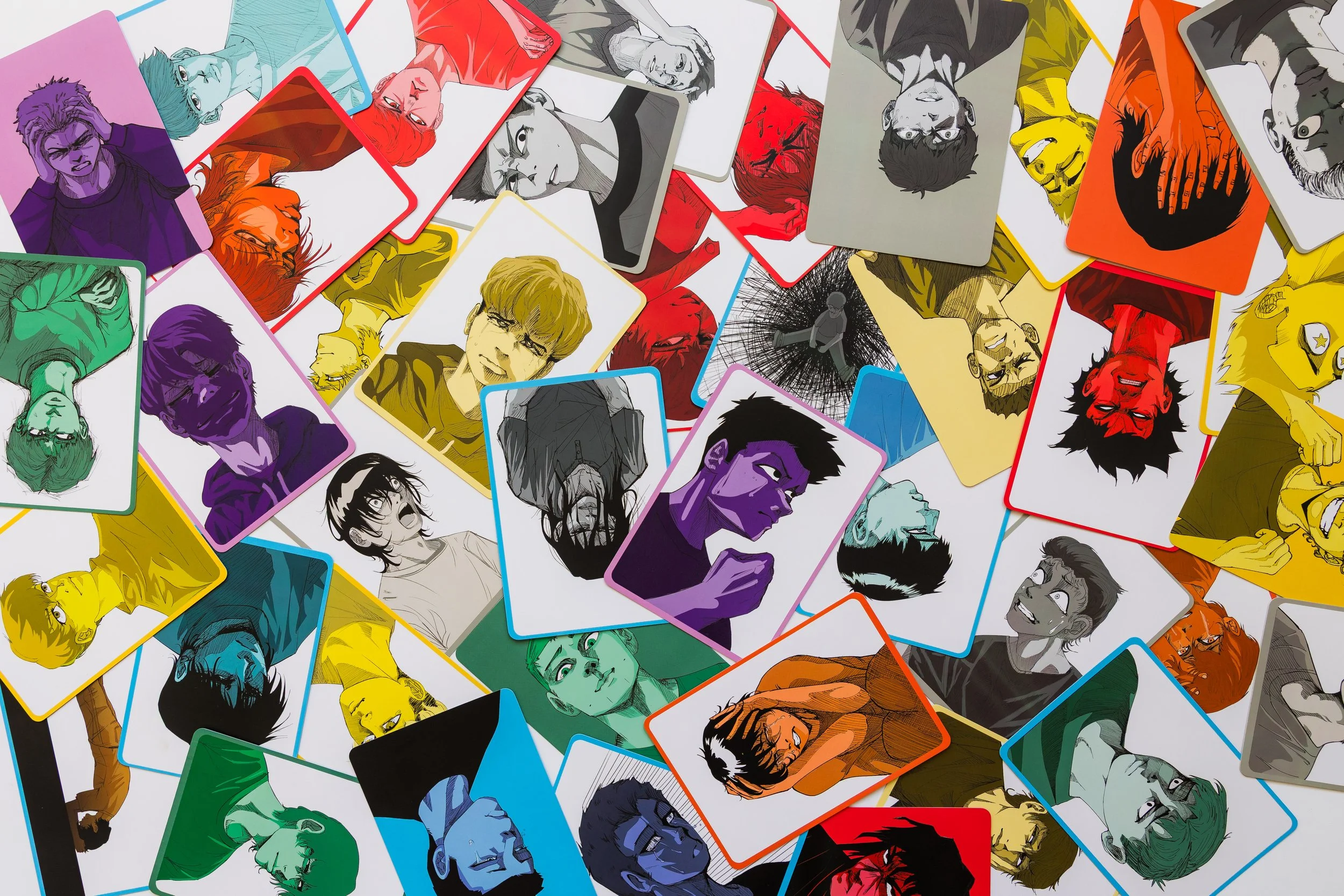
The emotion cards are grouped into colour coded emotion families and are designed to help people identify what they might be feeling, notice how emotions can show up in the body and thinking, and explore what that emotion may be signalling.
The 10 AniSkills cards introduce practical, evidence based, DBT-informed emotional regulation skills, including grounding, mindfulness, STOPP, Opposite Action, DEAR MAN, and other tools that can support people to pause, steady themselves, and respond with more choice.
The deck also includes guidance to help you use the cards for self-reflection, therapeutic conversations, education, coaching, or everyday emotional check-ins.
-
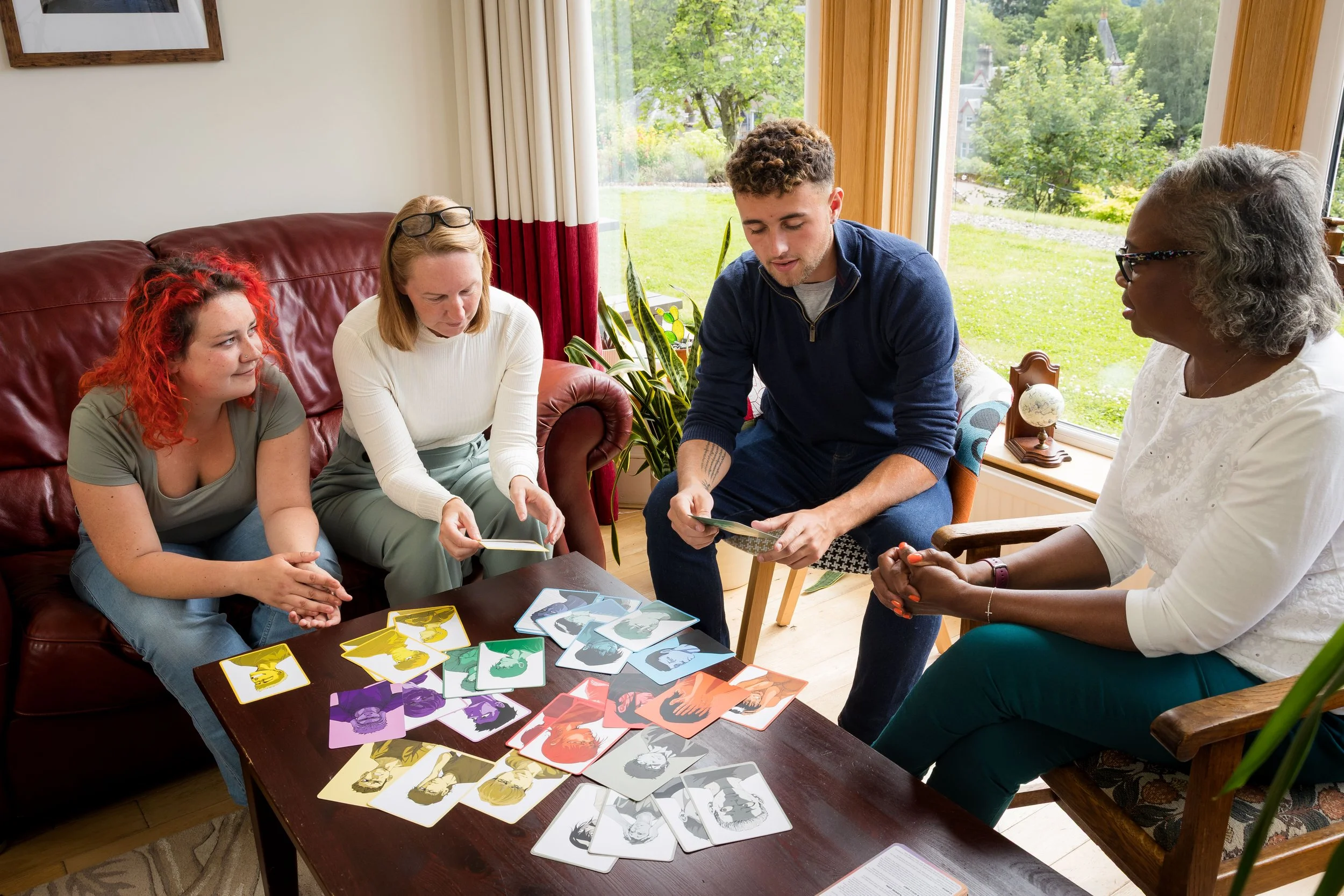
AniMoods has been designed for a wide range of users, including therapists, counsellors, teachers, parents, coaches and individuals looking to build emotional awareness. Whether you’re supporting others or exploring your own emotions, the cards are designed to be practical, engaging and easy to use.
-
AniMoods is designed to make emotions easier to recognise, understand, and work through in a practical way.
1. Pick a Mood
Choose the card that best represents how you’re feeling (or how someone else is feeling).2. Understand the Emotion
Flip the card to explore a clear, non-judgmental explanation of what that emotion is communicating.
3. Use the AniSkill
Apply a simple, practical strategy to help regulate the emotion and move forward with more clarity.
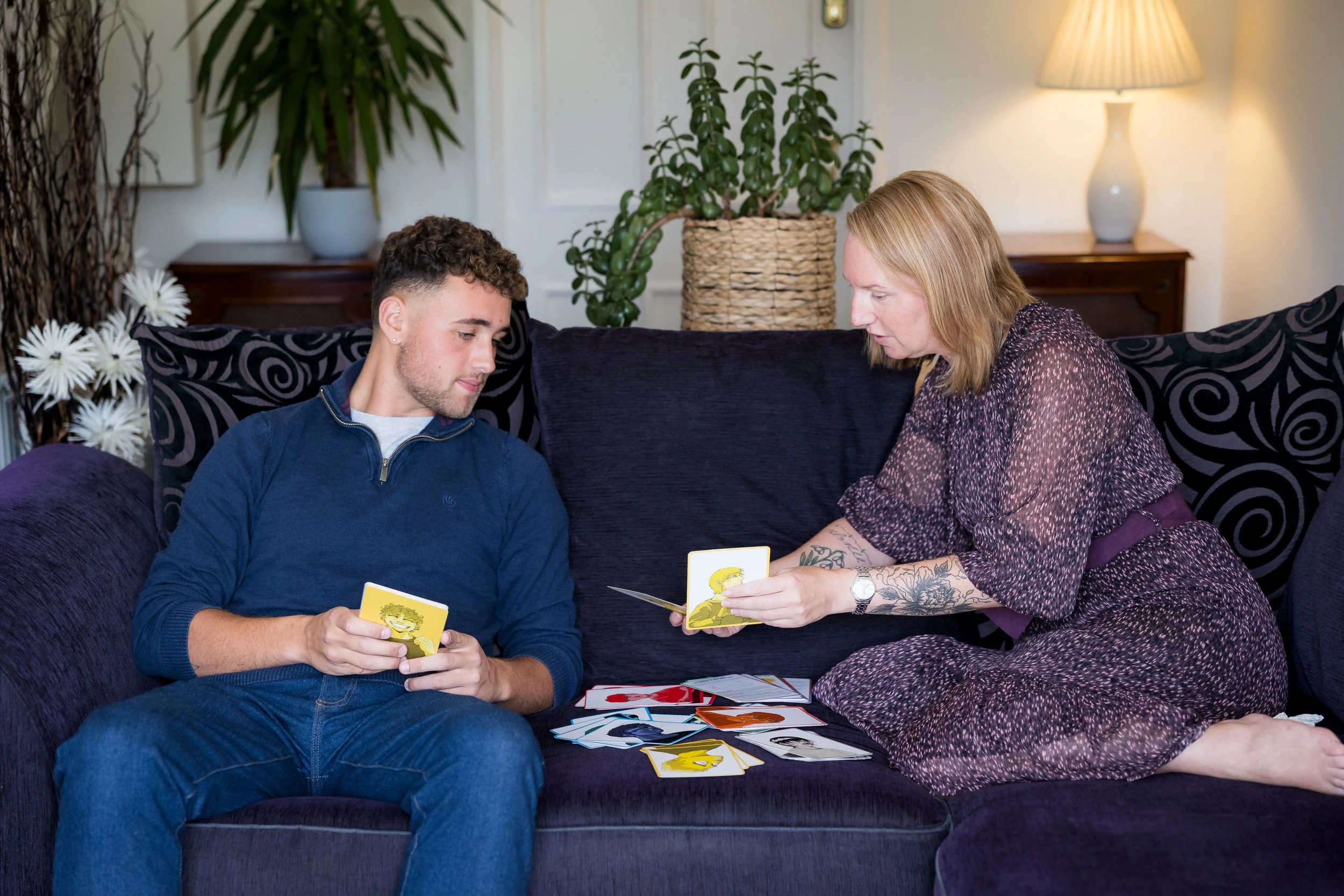
Pull a card to explore a feeling, deepen a conversation, or guide someone towards a more grounded emotional state.
Not every image or description will match perfectly and that’s okay.The value isn’t in getting it “right”, but in pausing, noticing, and reflecting.
Sometimes the mismatch is what helps you better understand what’s really going on.
Take your time and explore the deck until something clicks.
Trusted by therapists, educators and families
Simple. Practical. Powerful.
Discover. Practice. Grow.
Start with the AniMoods card deck before taking your emotional regulation practice further with AniMoods Pro.
Frequently Asked Questions
-
AniMoods is a beautifully illustrated deck of emotion and regulation cards designed to help people better understand, express, and navigate their emotions.
Created by Adam Digby, a Mental Health Consultant, counsellor, and emotional regulation educator, AniMoods combines anime-inspired illustration with practical, DBT-informed emotional regulation skills.
The cards can be used to support self-reflection, emotional literacy, and meaningful conversations at home, in education, in coaching, and in therapeutic settings.
-
That’s okay. The images are artistic interpretations, not rules.
Everyone experiences and shows emotions differently, so a card may not always match your personal experience. If an image makes you stop and think, “That doesn’t feel like me,” the card is still doing its job.
Use it as a starting point. Turn the card over, read the prompts, and see what fits. If it still doesn’t feel right, try another card. This is covered further in the instruction video attached to the QR code contained in your card deck.
-
AniMoods has been designed for a wide range of users, including therapists, counsellors, teachers, parents, coaches and individuals looking to build emotional awareness. Whether you’re supporting others or exploring your own emotions, the cards are designed to be practical, engaging and easy to use.
-
Not at all. The cards are designed to be accessible for everyone. Professionals can integrate them into existing sessions, while parents and individuals can use them as simple conversation starters and emotional regulation tools.
-
AniMoods can be used across a wide range of ages. They’re particularly engaging for older children, teenagers and adults, although younger children may also benefit with support from a parent, teacher or therapist.
-
Each AniMoods deck includes 50 cards: 40 emotion cards and 10 AniSkills regulation cards.
The emotion cards are grouped into colour coded emotion families and are designed to help people identify what they might be feeling, notice how emotions can show up in the body and thinking, and explore what that emotion may be signalling.
The 10 AniSkills cards introduce practical, evidence based, DBT-informed emotional regulation skills, including grounding, mindfulness, STOPP, Opposite Action, DEAR MAN, and other tools that can support people to pause, steady themselves, and respond with more choice.
The deck also includes guidance to help you use the cards for self-reflection, therapeutic conversations, education, coaching, or everyday emotional check-ins.
-
Yes. AniMoods can be used by professionals as a practical emotional regulation and psychoeducation tool.
The deck has been designed to support counsellors, therapists, coaches, educators, mental health practitioners, youth workers, and other helping professionals in one-to-one work, group settings, education, coaching, and wellbeing conversations.
Professionals can use the cards to help people name emotions, notice patterns, explore body and thinking cues, and introduce practical regulation skills in a clear and accessible way.
AniMoods should be used within your professional role, competence, supervision, and any relevant organisational policies. It is not a replacement for clinical assessment, therapy, safeguarding procedures, crisis support, or professional judgement.
-
Yes. At launch, AniMoods ships to the United Kingdom and the United States using fully tracked Royal Mail services. Shipping costs are calculated at checkout based on your delivery country. For full delivery information, including estimated delivery times, customs information and returns, please see our Shipping & Returns Policy.
-
Yes. Unused items can be returned within 14 days of receipt. Full details can be found in our Shipping & Returns Policy.
-
You can start with the video instruction manual, which is accessed through the QR code inside your deck. This will walk you through the basics of how to use the cards and begin applying them in everyday conversations, reflection, or professional practice.
We’re also building further video support and additional resources as part of the AniMoods community, including more guidance on using the deck with different people, settings, and emotional regulation needs. Sign up to our newsletter for updates on upcoming programs that will be released in the near future.
-
We chose anime-inspired illustration because it is a timeless and expressive art form that lends itself well to emotion.
Anime can show subtle shifts in mood, body language, facial expression, and intensity in a way that feels clear and memorable. For AniMoods, the illustrations are not just decorative. They help create a visual language for emotions, making it easier for people to recognise what they might be feeling, connect with the cards, and start useful conversations.
The aim is to make emotional regulation feel more accessible, engaging, and easier to talk about.